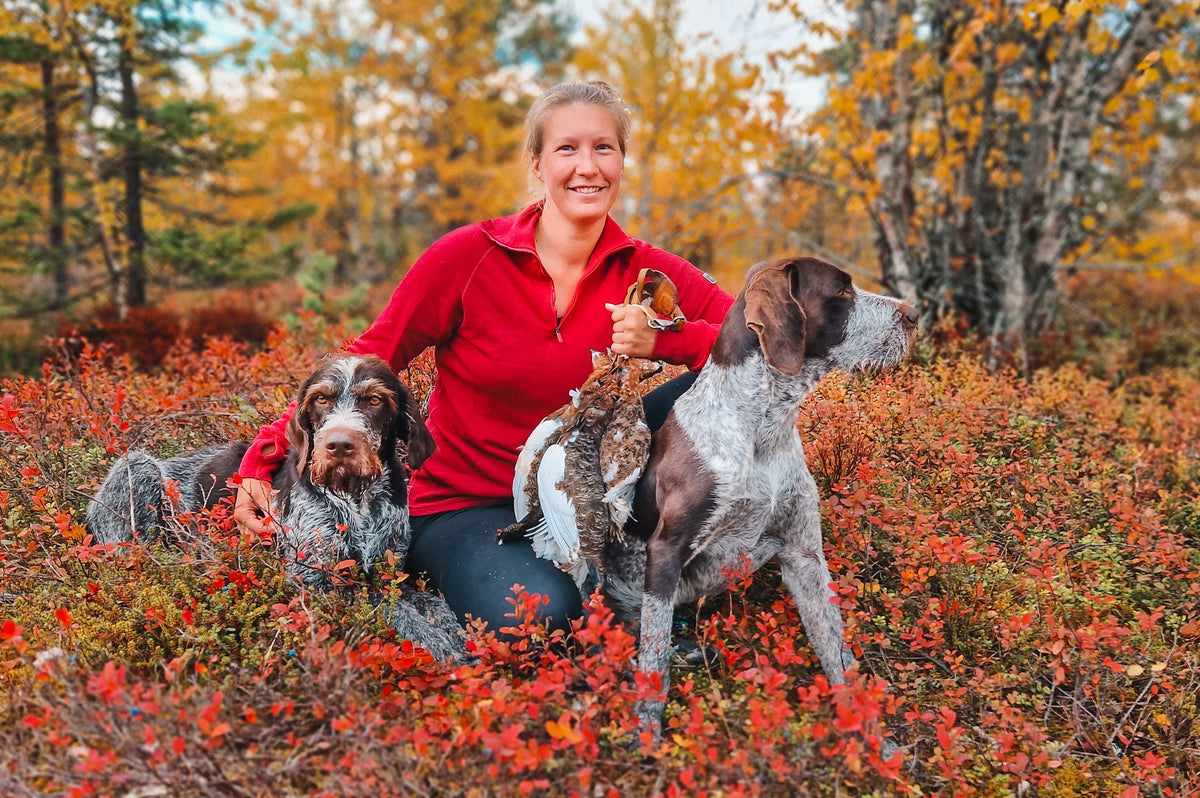
Ida Sollie has spent more than a decade helping dogs and owners work well together, both in the field and in everyday life. She runs Hundeliv from Jæren in Norway, where she trains, teaches and judges, and she has taken silver at the World Championship for pointing dogs, completed over 300 live searches and trained Norway's first and only full working champion. She is also the author of Før det smeller!, a guide to reward-based dog training.
We asked her about the dark season, and her answers took a turn we did not expect. According to Ida, the darkness barely changes anything for the dog. It changes everything for us.
In this interview she talks about why reward-based training is so often misunderstood, why teaching a dog to do nothing may be the most useful skill of all, what 300 searches in poor light taught her about reading a dog instead of the ground, and the moment on a hunting trial when two dogs could not tell their owners apart.

You have helped dog owners since 2014 and now train, judge and teach full time. What took you from being a dog owner to going all in? Was there a turning point?
I grew up with dogs, but it was hunting with dogs that really pulled me into this. In the beginning it was mostly about my own interest: I wanted to understand more, train better and get more out of my dogs in the field. Trials, courses, instructor work and eventually judging came as a natural extension of that.
For many years I worked with dogs alongside a regular job, while steadily building up more of what would later become Hundeliv. I had long had the idea of going all in, but the final push came when Covid hit. It might sound a bit strange to say, but for me that period became an opportunity. I had been preparing to take the step for a long time, much of the groundwork was already done, and suddenly the timing was there.
What has driven me all along isn't really a wish to teach people "my way" of training dogs. I like taking knowledge that can seem complicated, sorting it out and making it practical. If I can help someone understand why something happens, what to do next and how to build the training step by step, the chance that they actually succeed with their dog goes up quite a lot. That's probably still the part of the job I enjoy most.
Tell us about Hasse and Alfred. What are they like as individuals, and what has each of them taught you that no course or book could?
I can't really answer this with just Hasse and Alfred, because they're part of a line of four German Wirehaired Pointers who have each taught me quite different things.
It started with Haldor. Before him I had an English Setter, and the transition was pretty big. I went from a relatively simple, calm dog with fairly few interests to a versatile German who kept track of everything, thought several moves ahead and was happy to take charge himself if nobody else did.
With Haldor I learned how important clear boundaries can be for some dogs. It might sound paradoxical, but he became freer and calmer when he had fewer decisions to make himself. Once he knew what was his responsibility and what was mine, a lot fell into place. It taught me a lot about how rules aren't necessarily about controlling the dog, but about making the world more predictable.
Then came Trygve, who was a more stubborn type and didn't automatically think I was the most interesting person in the world just because I was holding the lead. With him I learned how important cooperation really is. You can have rules, technique and a plan, but if the dog has no reason to want to do this together with you, you'll only get so far. He forced me to get better at building relationship and motivation instead of just thinking about what the dog should learn.
Hasse taught me the value of groundwork. With him I really experienced how far you can get when the small things are solid before you start demanding the big ones. Over time he has achieved more than I imagined when we started, and among other things became a full working champion. But the most important thing he has taught me is that impressive achievements are rarely built in the impressive moments. They're built in all the fairly boring repetitions long before.
And then I have Alfred.
With Alfred I'm learning patience. A lot of patience.
He has enormous capacity, a big engine and very strong opinions about what's worth spending his time on. He constantly makes me distinguish between the dog in front of me and the dog I wish I had that particular day. With him I can't rush because the calendar says we should have come further. I have to train what's actually missing.
That may be the most important thing these four dogs have taught me together: methods and theories are useful, but dogs are individuals. You can read a great deal about dog training, but until you've stood with four quite different dogs and discovered that what was brilliant with one doesn't necessarily solve anything at all with the next, you're missing a pretty important part of your education.
You train reward-based, and you have written that it is one of the most misunderstood ideas in the dog world. What do people get wrong about it most often?
What people most often misunderstand is that reward-based training means the dog always gets to choose for itself, that you never set boundaries, and that the solution to everything is finding a better treat.
For me it's almost the opposite. Good reward-based training requires you to be quite clear. The dog has to understand what pays off, what leads nowhere, and what is actually expected of it. It's my responsibility to make the training clear enough that the dog has a real chance of succeeding.
I also think many people confuse reward with bribery. If I have to stand there waving a sausage to get the dog to do something it already knows, I haven't necessarily trained very well. The reward should build behaviour and motivation, but the goal is a dog that understands the task and wants to cooperate even when the reward isn't visible in my hand.
And reward is much more than food. For a hunting dog, getting to run, search, retrieve, move on or get access to what it wants can be far more valuable than a treat. Once you understand what the dog actually wants, you suddenly have a lot more tools.
Perhaps most important for me is that reward-based training doesn't mean the dog gets out of learning to handle a no, a stop, or not getting what it wants. That's part of life. The difference lies in how we teach it to handle that. I want dogs that have lots of initiative and a great desire to work, but that can also take information from me and adjust to it.
So I don't see reward-based training as being "nice" to the dog. I see it as a fairly systematic way of building skills, cooperation and understanding.
You recently wrote that a dog also has to learn to do nothing. Why is that skill so underrated, and how do you actually train it?
It's perhaps the most boring dog training in the world, but also one of the most useful things we can teach a dog.
When you work with hunting dogs, you work a lot with the most fun things the dog knows. We train searching, birds, retrieving, tracking, speed and anticipation. All of this builds intensity. And if we just keep adding more of what winds the dog up, without also teaching it to wind back down, the result can be a dog that is stressed, hard to handle and that eventually works worse both in the field and in everyday life.
So for me, "doing nothing" really means being able to be in a situation without having to act on everything that happens.
A hunting dog should be able to hunt hard, but also lie down and relax out in the hunting ground while we eat lunch. It should be able to come along with the family on a walk and lie calmly while the kids play in the sandbox. It should be able to come to a football match without you spending the whole game holding it back in the stands.
And this is about more than convenience. It also affects how trainable the dog is. If the dog sees game and goes from zero to a hundred in a second, those are pretty poor working conditions for obedience. If, on the other hand, it has learned that it's possible to register something exciting without immediately having to act on it, you have a completely different starting point.
I think part of the reason this skill is underrated is that we're very good at training what the dog should do. Sit. Come. Search. Fetch. Heel. But we train much less on how the dog should be in between all those things.
And I don't mean that the dog should just be commanded to lie still. A dog can lie completely still and still be mentally at boiling point. The goal is for it to actually be able to lower its expectations and find calm.
I don't actually train this as a separate exercise. I just make it part of life with the dogs. If we're going to do something the dog finds really fun, we don't start while it's standing there boiling over. I wait. When it settles and finds calm, we can move on and do what we were going to do.
I also don't use a separate cue for calm, and I don't stand there rewarding it with treats for relaxing. The reward lies in what happens afterwards. When you manage to calm down, the world opens up again: we can go out, start hunting, send you off to search or do something else you want to do.
That way it becomes more of a habit than an exercise. The dog gets lots of experiences that it doesn't need to wind itself up to get access to the fun stuff. Quite the opposite.
It takes time, and it isn't very spectacular. But in my experience it makes an enormous difference.
Autumn is when everyday life moves into the dark for most of us. What changes for a dog when the light goes, and what do owners tend to underestimate about dark walks?
I actually don't think the darkness necessarily changes that much for the dog. The dog still has its nose and its hearing, and it picks up an incredible amount of what we don't register.
What changes most are our own conditions for keeping track of what's happening around the dog.
At home, for example, I can let the dogs off fairly carefree in a field when I have a good overview. In the dark the situation is different. The roe deer are still there, but I might not see them before the dog has already noticed them. I simply get less time to read the situation and do something before it develops.
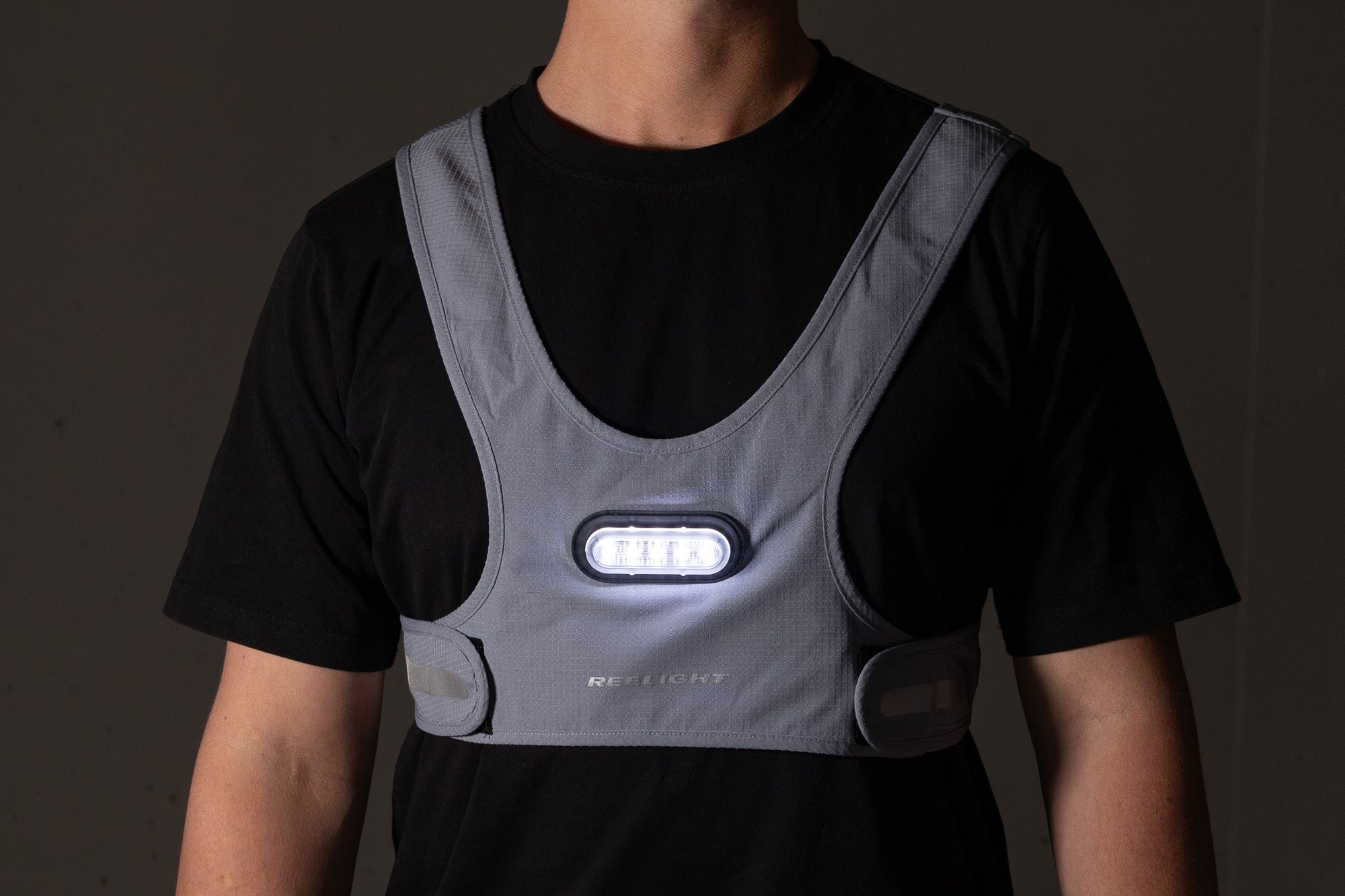
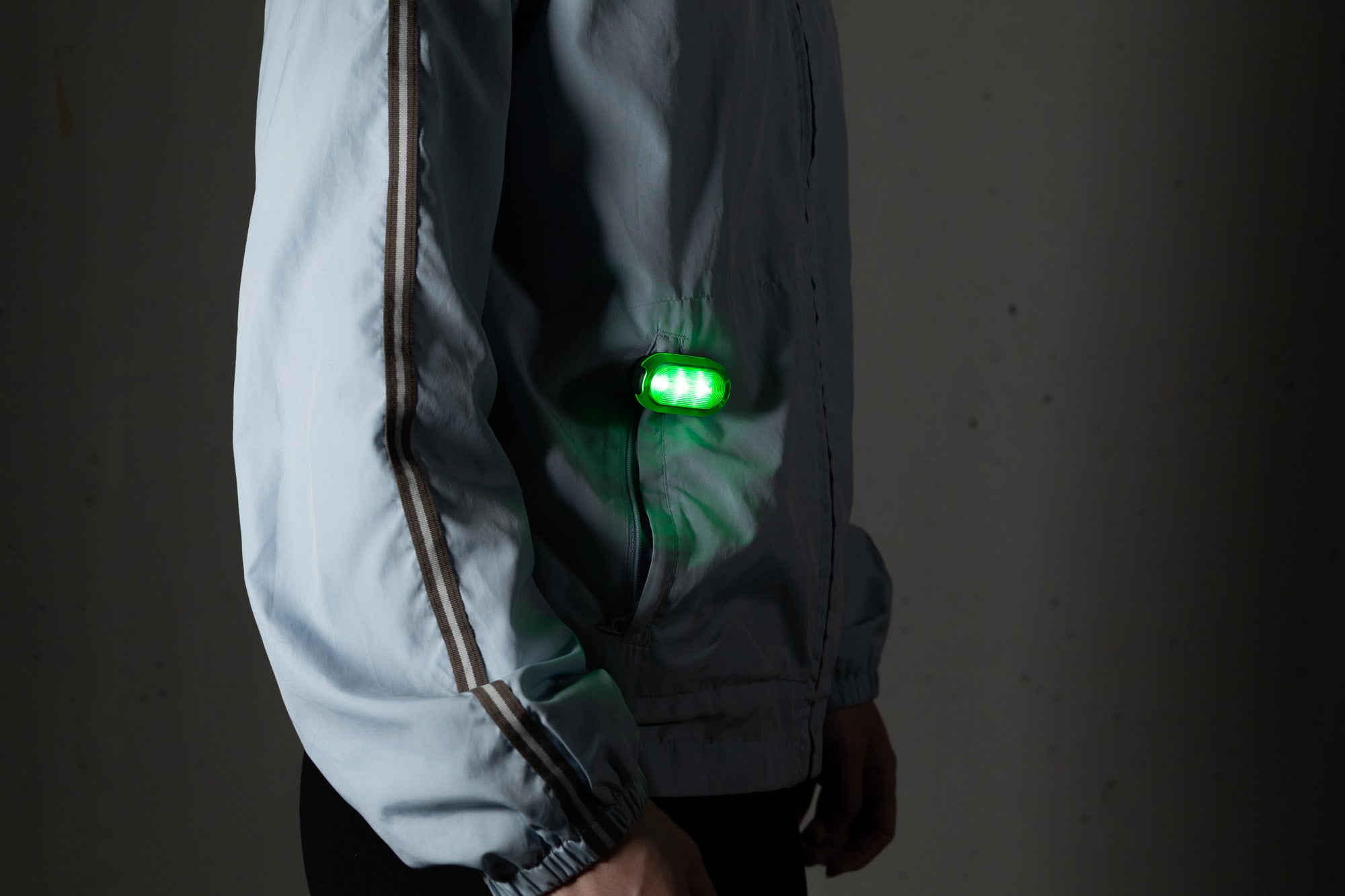
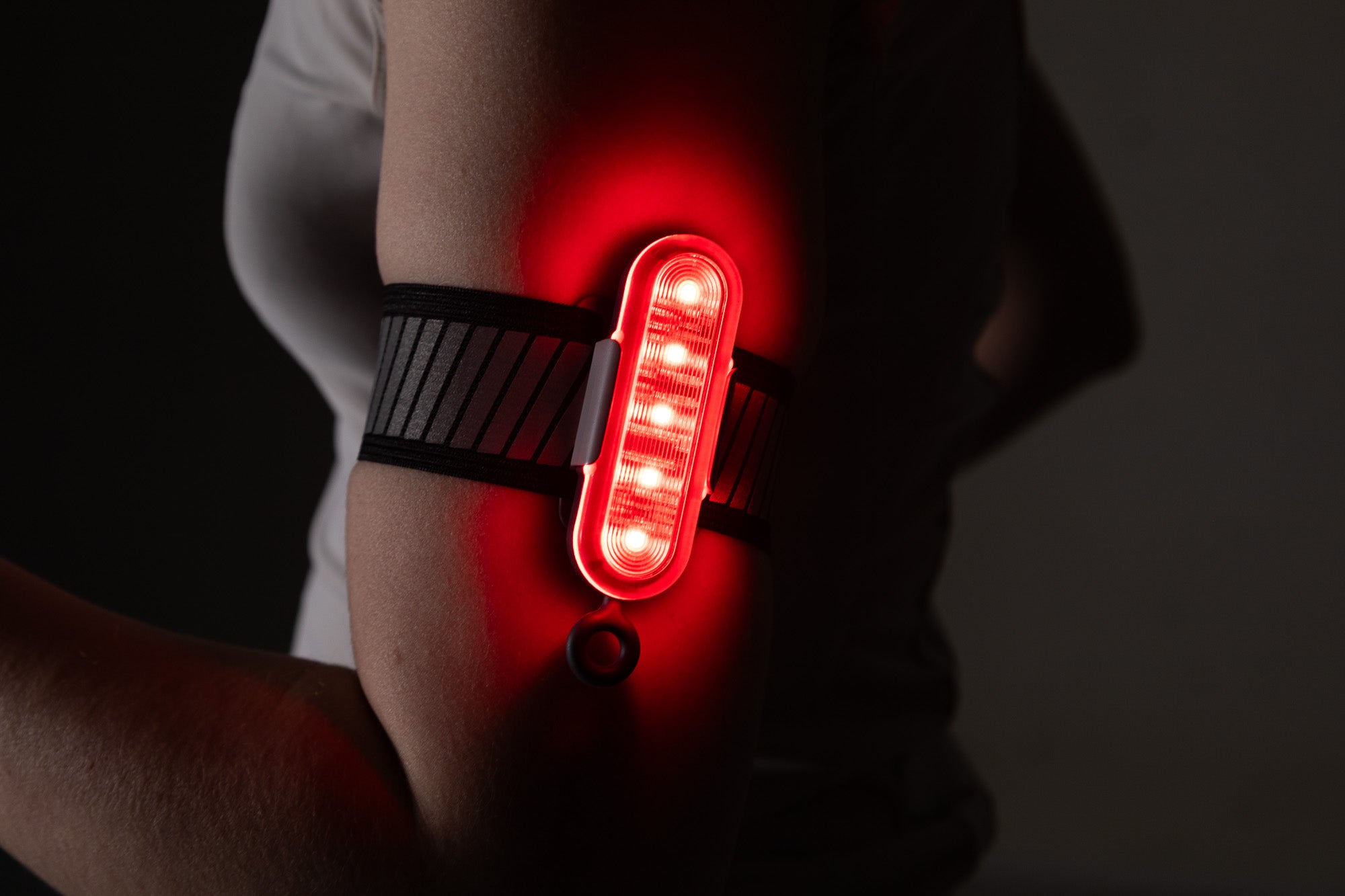
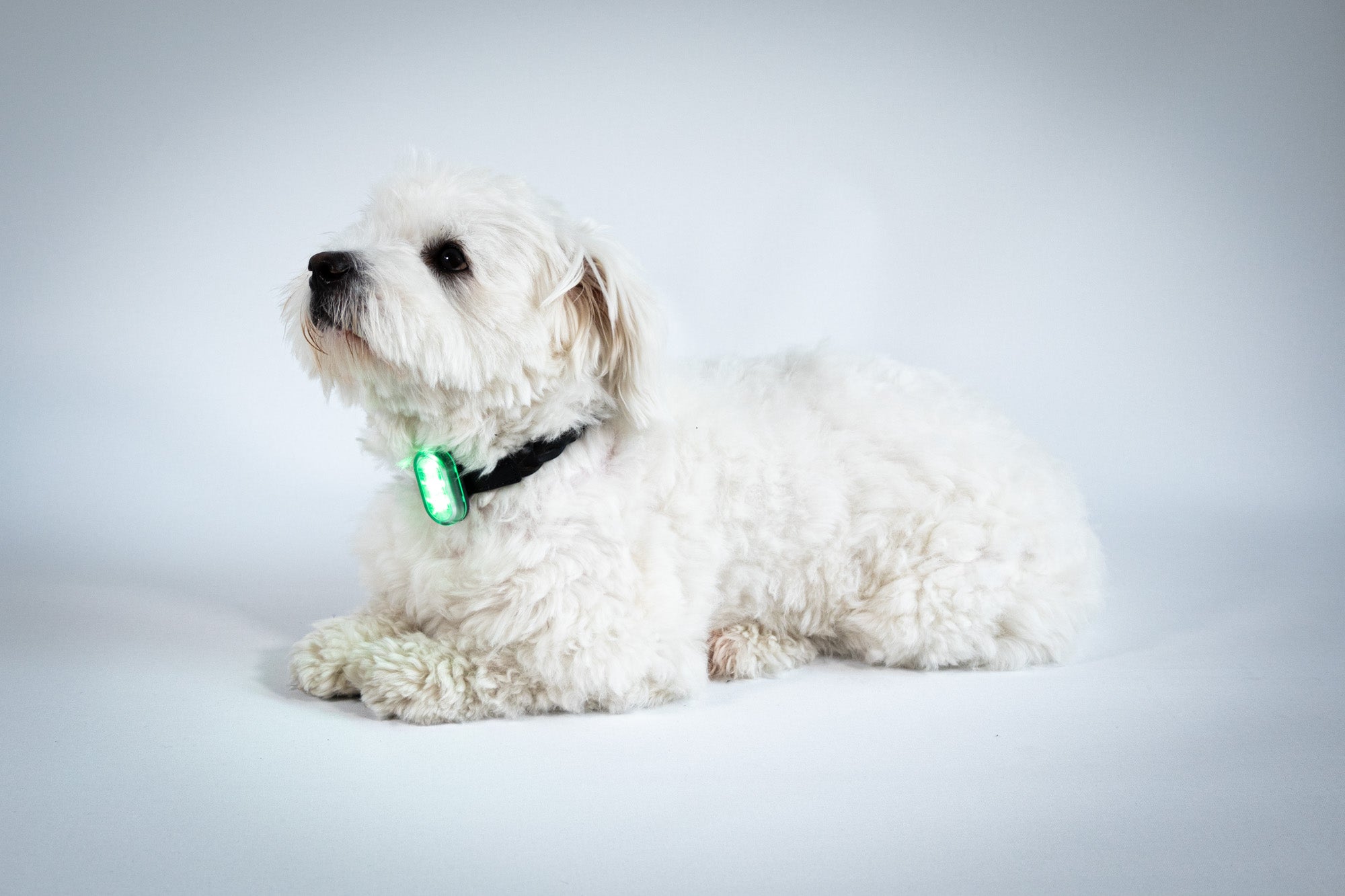
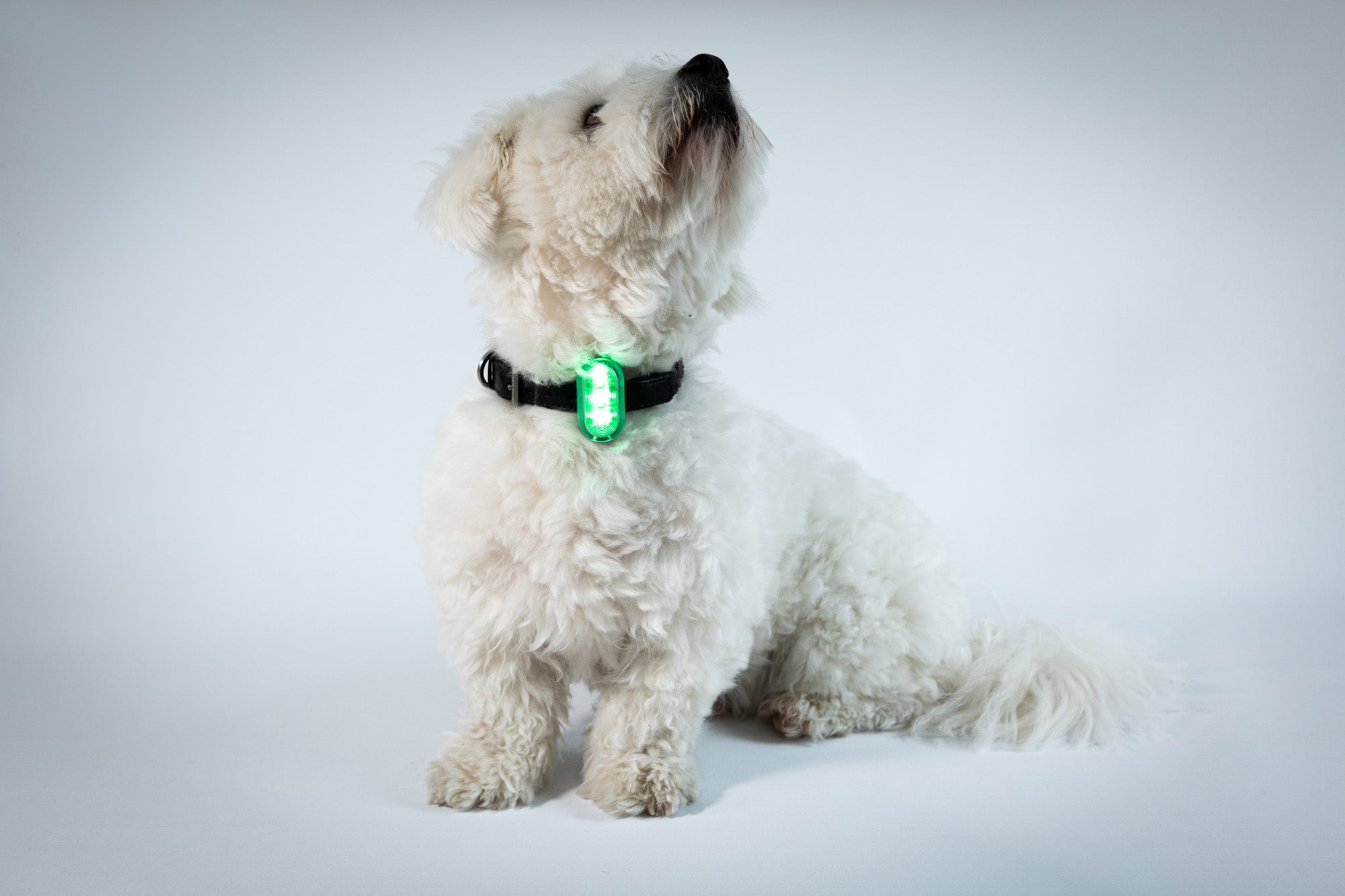
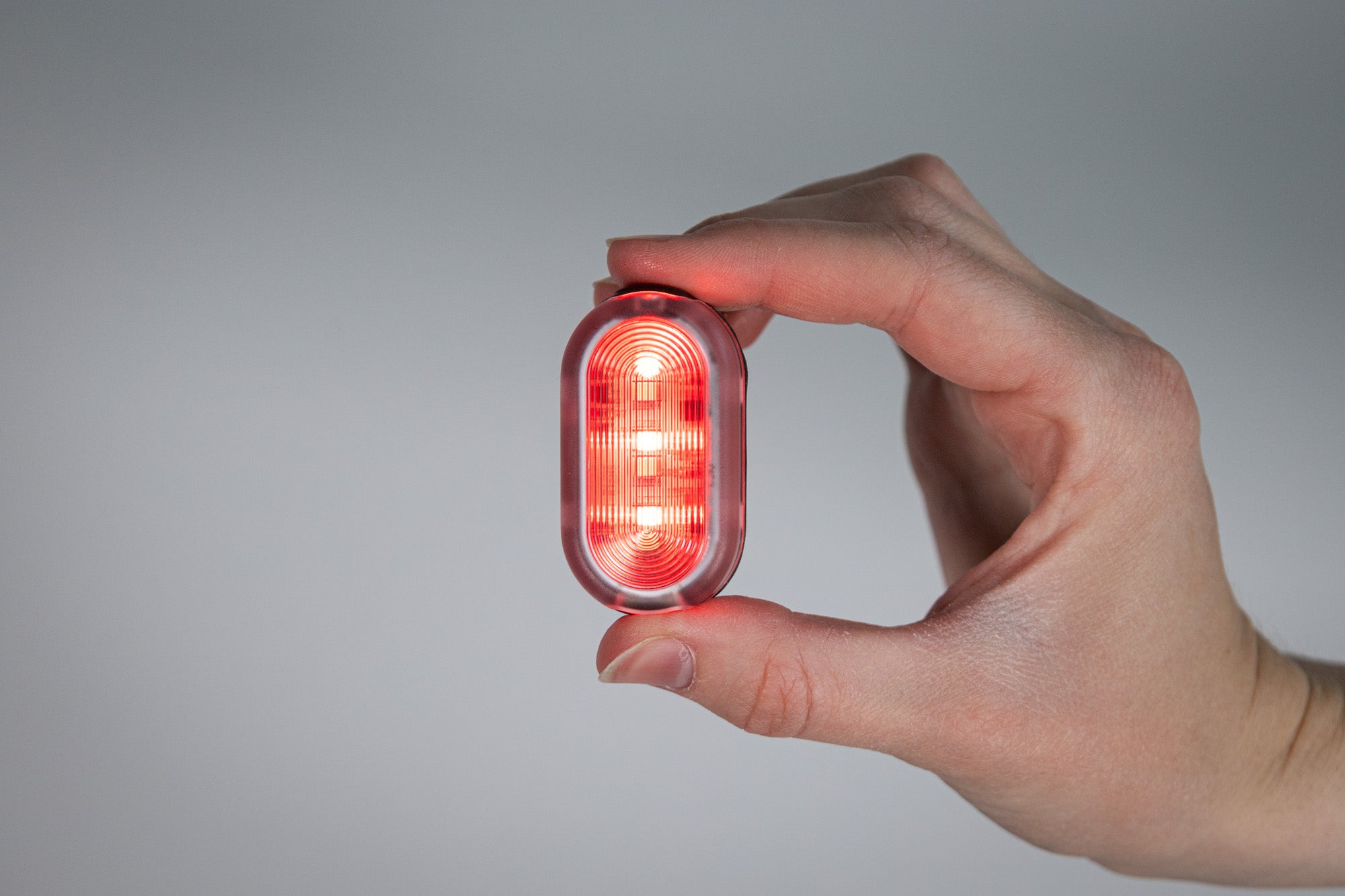
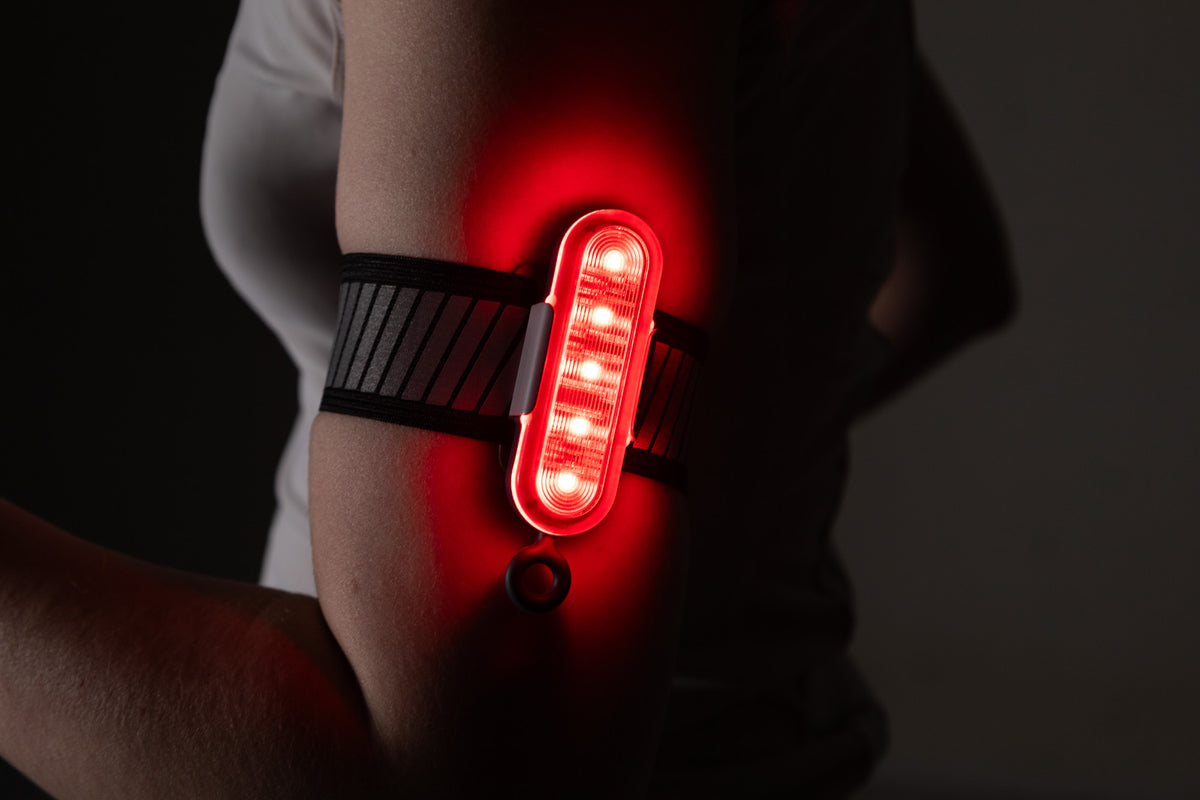
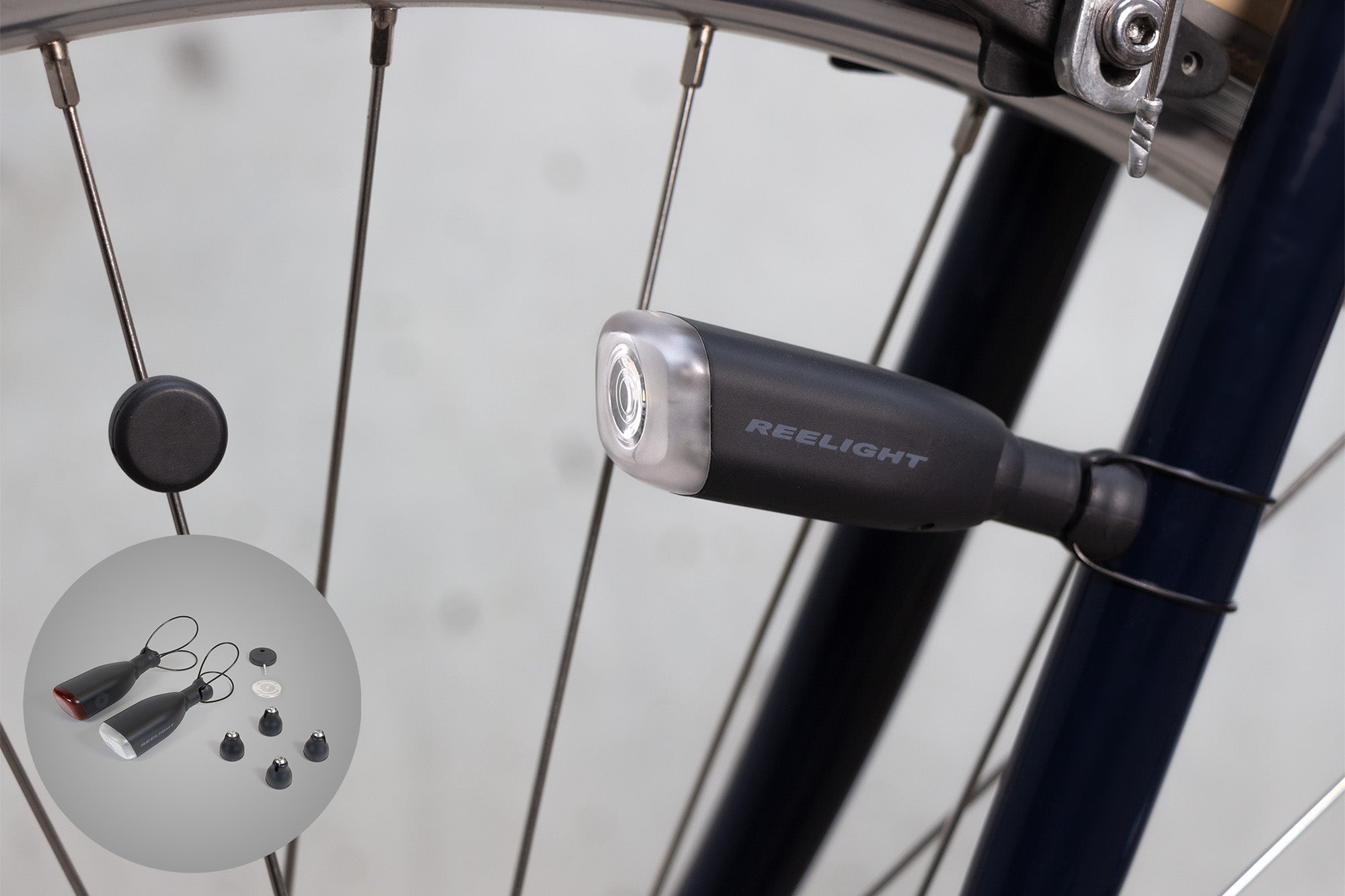
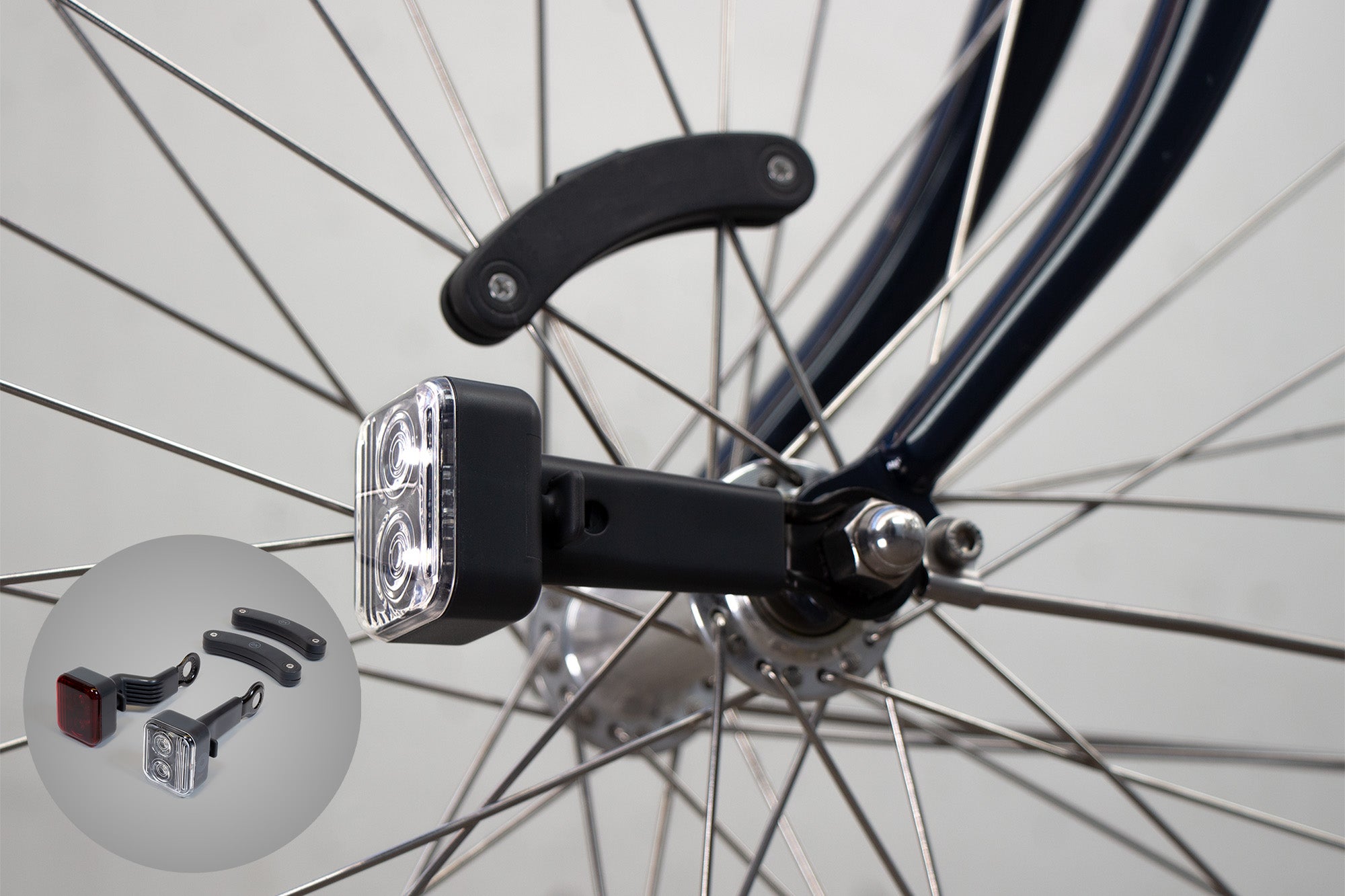
The same goes when the dog is running loose. In daylight I can see where it is, how it's moving and often what it's reacting to. In the dark much of that information disappears. That's why I like having lights on the dogs. Among other things, I use the SWITCH lights so I can see where the dogs are when they're running free. That doesn't just make the dog more visible to me, but also to others when we're moving near roads and traffic.
So what I think owners easily underestimate on dark walks isn't necessarily that the dog works worse. It's how much worse our own overview is. We see later, react later and have less information to base our decisions on. So we may need to be a bit less carefree than we can be on the same walk in daylight.
You have written about training versus temperament, and about people blaming the dog. When a dog reacts hard on a dark walk, how much of that is the dog, how much is the situation, and what does that mean for what the owner should actually work on?
It's hard to put a percentage on what's the dog and what's the situation, because the two always work together.
Temperament is what the dog brings into the situation. Some dogs react faster, more strongly or take longer to settle again. I think we should be honest about that. I don't believe all differences between dogs can be trained away.
But the situation determines how much of the temperament we get to see.
A dog that usually handles a passer-by fine can react completely differently if the person suddenly appears close by in the dark. Not necessarily because the dog has become more fearful or difficult in the evening, but because it gets less time to perceive, assess and understand what it's facing. And at the same time, I as the owner may also have spotted the situation later and lost the chance to help the dog before it reacts.
That's why I think it's too simple to say "that's just how my dog is." Temperament explains something, but it doesn't absolve us from looking at which situations we put the dog in, and which skills we've given it.
You have done more than 300 live searches, many of them in poor light. What have those searches taught you about how a dog works when it cannot rely on sight? And is there a simple scent exercise a regular owner could try on an ordinary dark evening?
Dogs track with their nose, not their eyes. So in many ways the darkness matters much more to me than to the dog.
On a search I only need to see the dog. As long as I have enough light to read its body language, I get an incredible amount of information. I can see when it's working confidently, when it becomes unsure, when we're getting close to something, and it can indicate things on the track or animals it scents that I would never have noticed myself in the dark.
That may be one of the most important things all these searches have taught me: I don't need to know everything myself. I need to get good at reading the one who actually has the best information.
At the same time, darkness puts greater demands on the cooperation. Especially if we're approaching a wounded animal and the situation ends with it having to be put down. Then I need to be able to assess a safe backstop and know where the dog is. I don't need a disobedient furry rocket that decides to solve the rest of the task on its own. When visibility is poor, the margins get smaller, and then cooperation becomes even more important.
And actually, I think tracking in the dark is a great training exercise for ordinary dog owners too.
If your dog can already follow a track in daylight, lay a simple track of a type it knows and work it after dark. Don't make the track harder than usual. The point isn't primarily to challenge the dog, but yourself.
When you can no longer stand there looking for footprints, broken grass or other signs of where the track goes, you're forced to watch the dog. How does the pace change? What happens with the tail? The head? The body? When is it confident, and how can you tell it has lost the track?
It's a very simple exercise, but you can learn a surprising amount from it. So my advice is really just this: if your dog can track in daylight, try the same thing in the dark. It may be you, not the dog, who gets the biggest training session.
Recall gets harder in the dark, when the dog is out of sight and the ground is full of autumn scent. How do you keep recall solid when visibility drops?
I'm actually not entirely sure I agree that recall itself gets harder in the dark. The autumn scents are just as interesting in daylight.
What gets harder for me is that I have less overview. I might not see what the dog has become interested in, or that it's heading into a situation where the recall is going to be difficult. That's why I also find it useful to have a light on the dog when it's off lead.
But I train the recall itself exactly as I otherwise would.
If I give the recall signal and the dog doesn't come, I don't stand there calling the same signal over and over. I go and get the dog, and afterwards I try to train whatever was difficult.
Because a recall is made up of several things. Maybe the dog heard the signal but didn't respond quickly enough. Then I train the response to the signal itself. Maybe it responded but couldn't let go of a very interesting scent. Then I'd set up a training situation where interrupting scent work and coming to me was exactly the task.
So I train that small part separately, gradually make it harder, and then put it back into the real situation afterwards.
I think we often make dog training harder than it needs to be because we just conclude that "the recall doesn't work." I'd rather find out why it didn't work right there. Then suddenly I have something quite concrete to train. And that applies whether it's light or dark.
Being able to see your dog, and being seen yourself, out in the dark: from your own experience in the field, how much does that actually matter, both for the dog and for you as the handler?
For me it matters quite a lot, and not just because I want to be able to see the dog. The dog also benefits from being able to see me.
I became very aware of this during a hunting trial once. The other handler in the brace and I looked comically alike from a distance. We were both women, and we both had green jackets, green trousers and boots. When our dogs were out searching, they kept coming unnaturally close to us and staring.
It took a while before we understood what they were doing. They were simply trying to figure out: "Which one of you is my mum?"
It was almost comical how obvious it was. But it also taught me something about how much visibility can mean for the cooperation. A dog working at a distance doesn't just follow scent and sound. It also keeps track of where the handler is and orients itself by us.
In the dark we both lose some of the visual information. I lose the ability to see where the dog is, how it's moving and what it's reacting to. And the dog has a harder time keeping track of me.
That's why I like having a light on the dog when it's off lead. I don't necessarily need to light up the whole terrain, but I'd like to know where the dog is. And I also think it's useful that I myself am visible, both to the dog and to others.
When hunting and searching this becomes especially important. If I'm going to handle a firearm, I obviously need to know where the dog is and have control of the situation and a safe backstop. Along roads and other places where we meet people or traffic, visibility is also quite simply about safety.
So light in the dark isn't just about being seen by cars for me. It's also about communication and cooperation.
If you could give every dog owner one piece of advice heading into the dark season, what would it be?
I think my advice has to be: don't expect more of your dog in the dark than it can actually do in daylight.
Darkness doesn't necessarily turn your dog into a different dog, but it gives you less overview and less time to react. So I'd rather think a bit more about the margins. Is the dog's recall good enough to be off lead here? Can it break off from game or exciting scents? Can I see the dog, and can the dog see me?
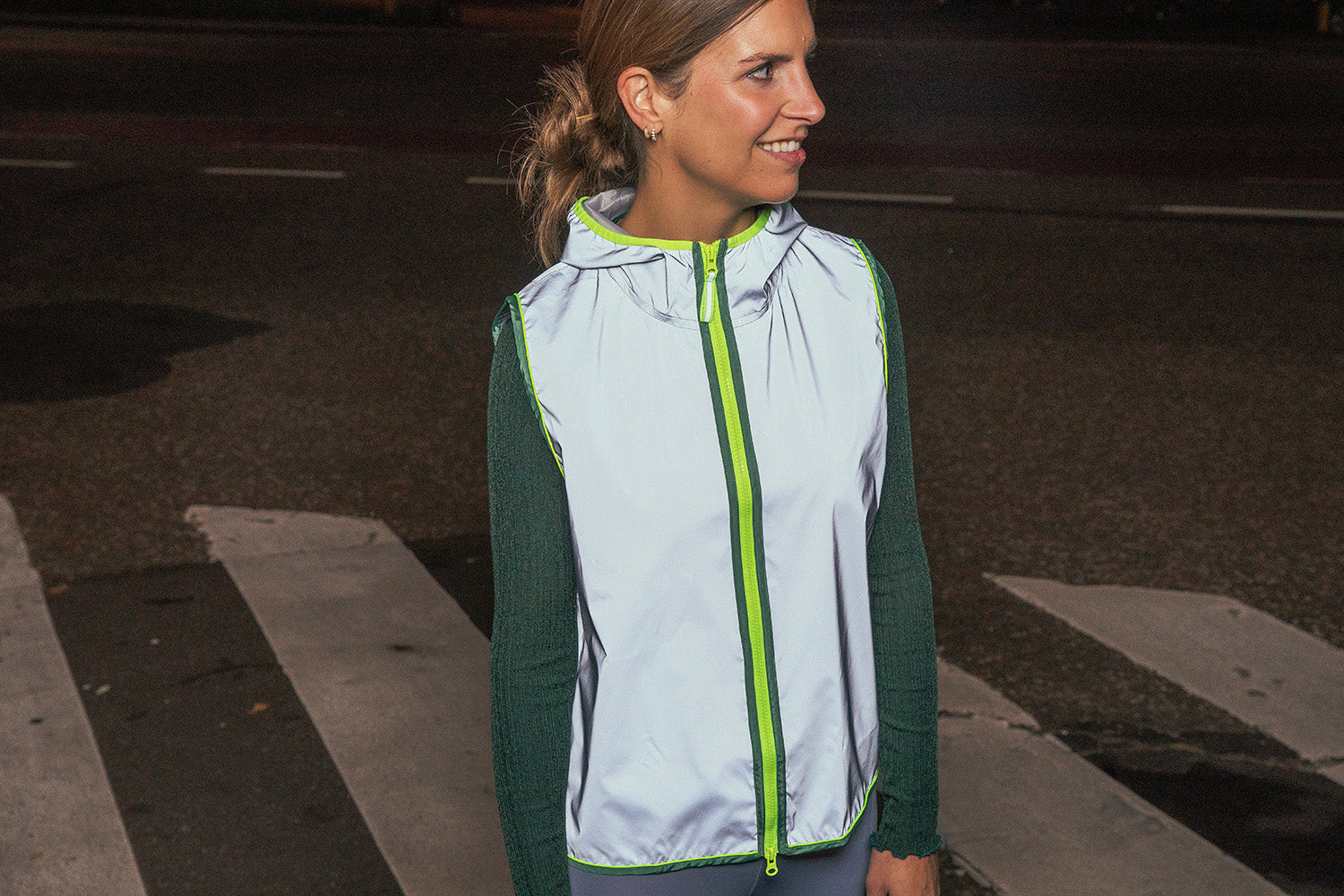
And then there's one very simple thing I think more people should do: make sure both you and your dog are visible. It almost sounds too simple, but when daylight disappears, good visibility is one of the cheapest pieces of safety equipment we have.
You can find more about Ida, her journey and her training services by clicking
here.