





Paws & Perspectives: A Dog Trainer on Visibility, Behaviour and Autumn Walks | Reelight Pet
Paws & Perspectives is our ongoing interview series where we sit down with dog professionals and dog owners from our community to talk training, behaviour, and everyday life with dogs. This month, as we head into the darker autumn evenings, we spoke with Isa, a certified dog behaviour instructor and proud owner of two Australian Shepherds, about reactive dogs, common training misconceptions, and why she never walks without a light on her dogs after dark.
My name is Isa, and I'm a certified dog behaviour instructor with a lifelong passion for dogs. I grew up with dogs and have always been fascinated by their behaviour and how we can build a better relationship with them through training.
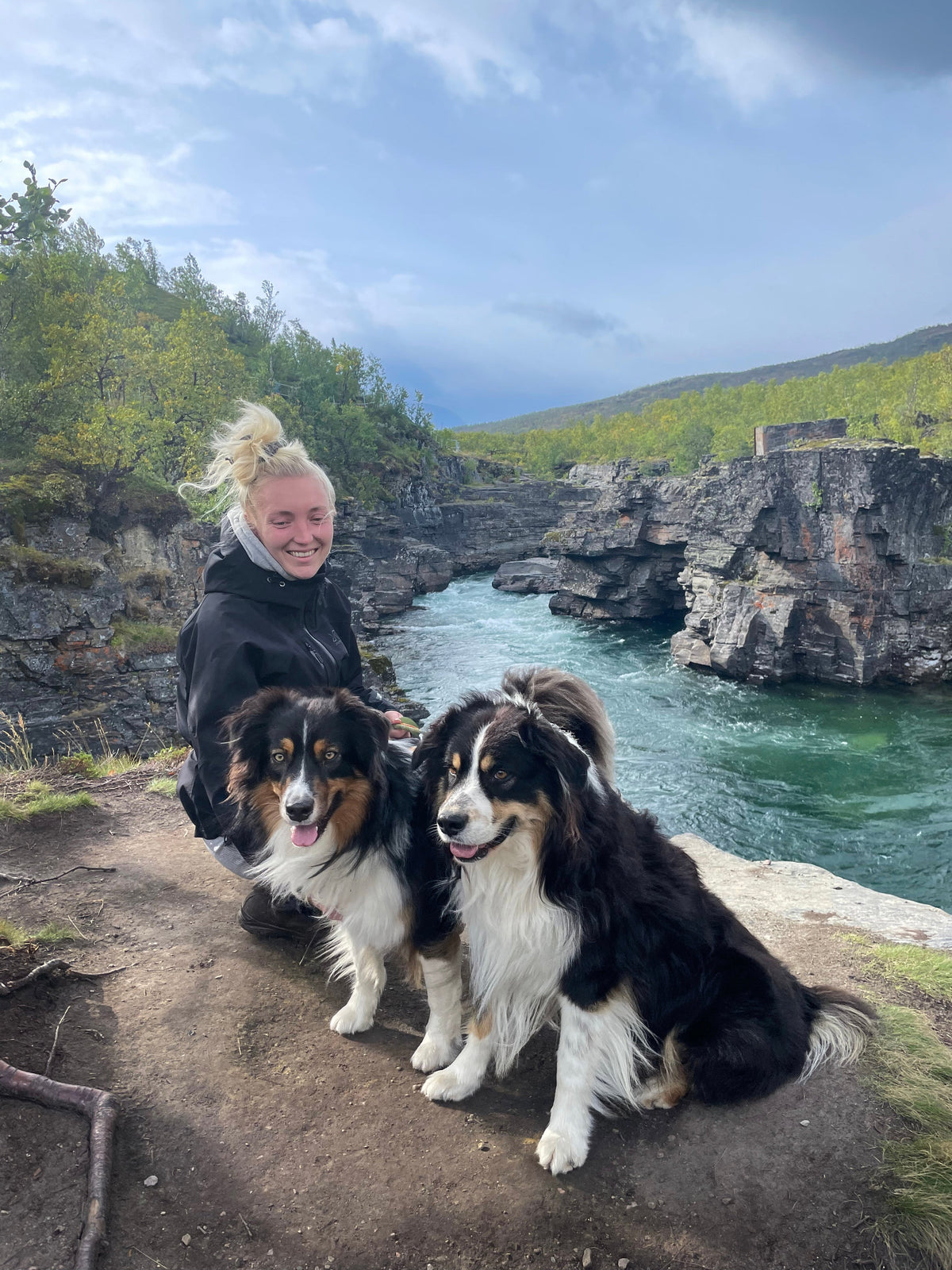
Today, I share my life with my two Australian Shepherds, Kato and Huxi, who have taught me more about dogs than I could ever have learned from a book. I love training with them, but what I love even more is taking them on adventures: exploring new places, trying new things, and experiencing the world together.
What made you go from "dog lover" to actually training as a dog trainer? Was there a turning point that pushed you to get properly educated in it?
I've always loved training dogs. It started early, when I would train with my parents' dogs in the garden, without really having any idea what I was doing.
After finishing high school, I got the first dog of my own, Toby, a Japanese Spitz, who introduced me to the world of tricks and agility. This was my first step into the world of dog training. Sadly, he was diagnosed with cancer and had to leave us far too early.
After Toby, I got my first Australian Shepherd, Kato. Kato has some challenges when it comes to other dogs, and it quickly became clear to me that if I wanted to help him in the best possible way, I needed to understand much more about dogs and their behaviour.
That was the turning point. I decided to get my first formal education as a dog trainer, and since then, I've continued to learn and expand my knowledge. What started with wanting to better understand my own dog has grown into a passion for training and a strong curiosity about dog behaviour and the science behind it.

Tell us about your own dogs. What are they like, and what have they taught you?
Kato is, in many ways, a very independent dog. This shows both in training and everyday life, where he doesn't need me in the same way Huxi does. He throws himself into challenges with open arms, and I think his motto would be something along the lines of Pippi Longstocking's: "I've never tried that before, so I'm sure I can do it."
Along with his independence comes a high level of sensitivity, especially in handling situations and around other dogs. In these situations, he really needs my support and guidance. Luckily, he is very good at letting stressful situations go and regulating himself afterwards. He absolutely loves coming along for runs and hikes, and having Kato in my life has taught me a lot about behaviour and the importance of giving a dog the time and space it needs.
Huxi, on the other hand, needs much more support and reassurance from me. He gets excited and stressed more easily, making him a real little firecracker who always seems to be going at full speed. At the same time, he is the biggest cuddle bug and absolutely loves snuggling. He is very strong when it comes to handling, but can struggle more in busy and stimulating environments. Training Huxi has taught me a lot about arousal and about providing the right amount of support while still allowing him to develop confidence and independence.
Having two such different dogs has taught me how differently dogs can learn and experience the world. What works for one may not work at all for the other. Learning how to work with two very different personalities has made me a better dog trainer. Most importantly, they have taught me to slow down and meet the dog in front of me, rather than trying to make the dog fit the training approach I had in mind.

What's the biggest misconception you come across when it comes to dog behaviour?
I think one of the biggest misconceptions is when "problem" behaviour is seen as a dog being stubborn, difficult, or trying to dominate. Thankfully, I think more and more people are beginning to see behaviour in a different way and recognize that there is usually more going on beneath the surface.
In my view, most behavioural problems are rooted in emotions. It can be stress, insecurity, frustration, confusion, or simply not understanding what is expected in a particular situation. When we focus only on what the dog is doing, it's too easy to label the behaviour as "bad" or assume there is some kind of dominance behind it.
If, instead, we try to see the behaviour as the dog communicating something to us, it can completely change the picture. Rather than thinking that our dog is being stupid or stubborn when they do something we don't understand, we can ask ourselves, "What is my dog trying to tell me, and what does he need from me?" I think that shift in perspective is incredibly important, because it allows us to better understand, support, and help our dogs.
What's one small daily habit you've learned makes a huge difference in a dog's behaviour, something most people overlook?
One small thing that I think can make a huge difference is making sure your dog gets enough breaks and opportunities to simply switch off during the day.
As I mentioned earlier, my Huxi is a little firecracker, and I've learned that if I don't make a conscious effort to give him proper breaks throughout the day, I can see a clear difference in his behaviour. He might react more to his surroundings than he normally would, or find it harder to relax without me helping him, simply because he has built up too much stress and excitement.
I think it's easy to overlook rest because we often focus on exercise, training, and keeping our dogs busy. Sometimes the most useful thing we can do is actually nothing at all. Giving a dog time and space to relax can have a huge impact on how well they cope with everything else around them.

From what you've learned about behaviour, what should owners be paying attention to during late evening or early morning walks?
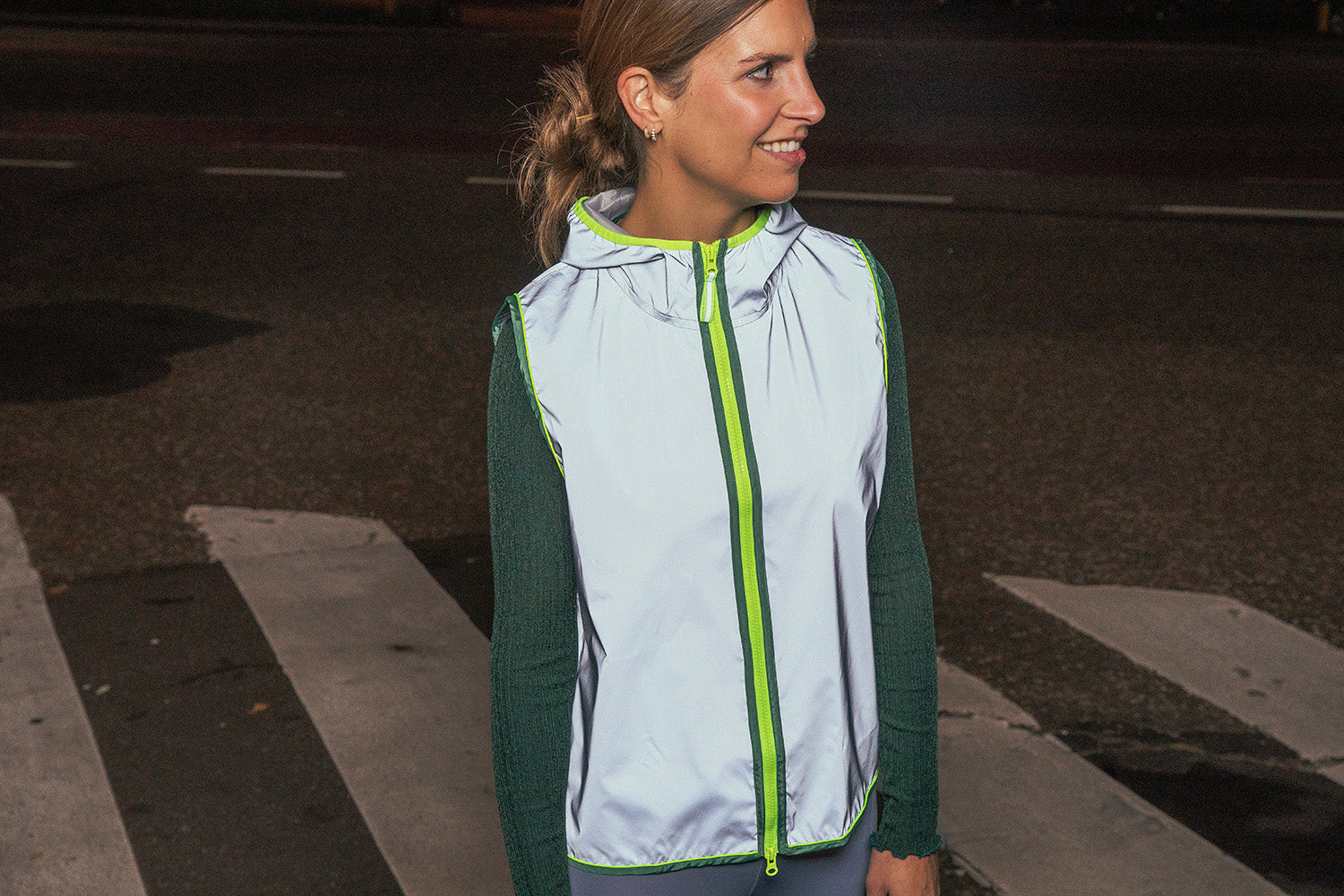
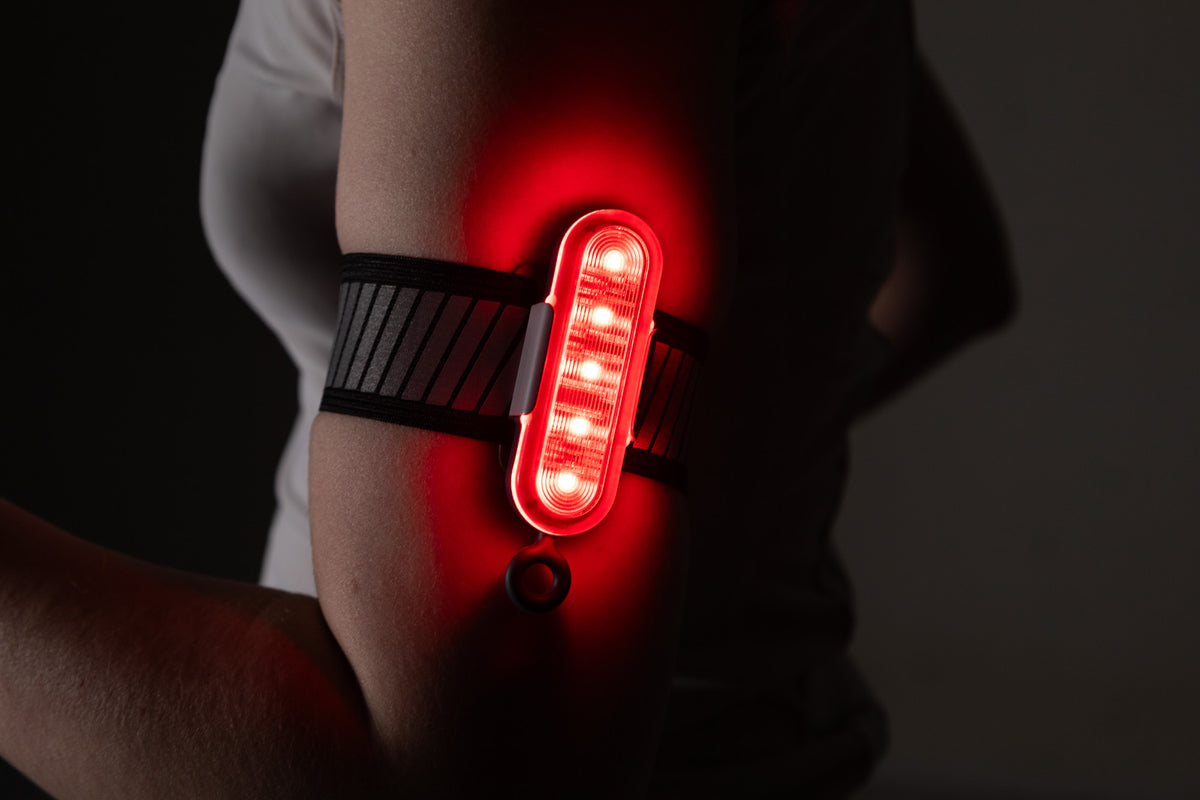
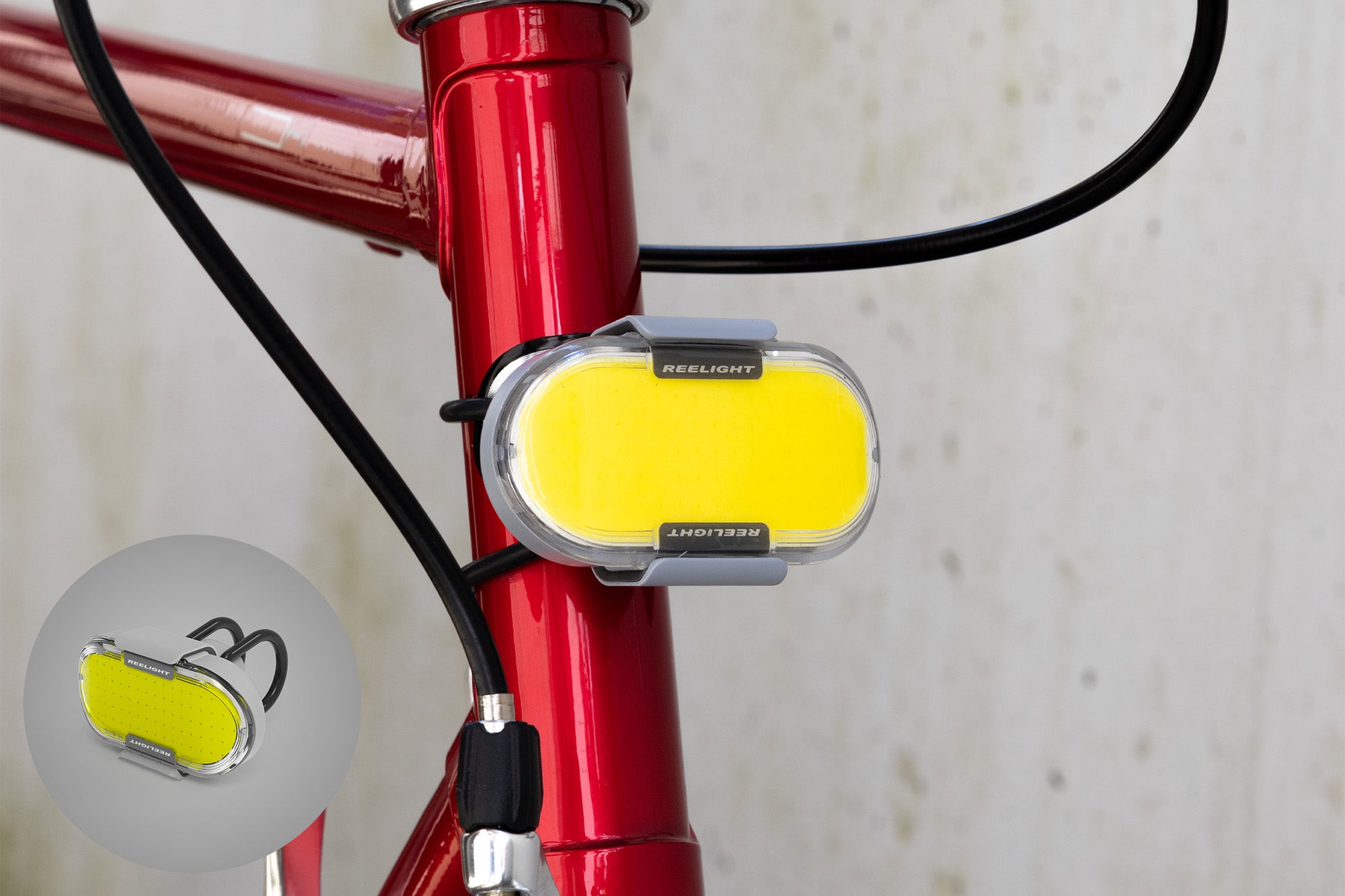
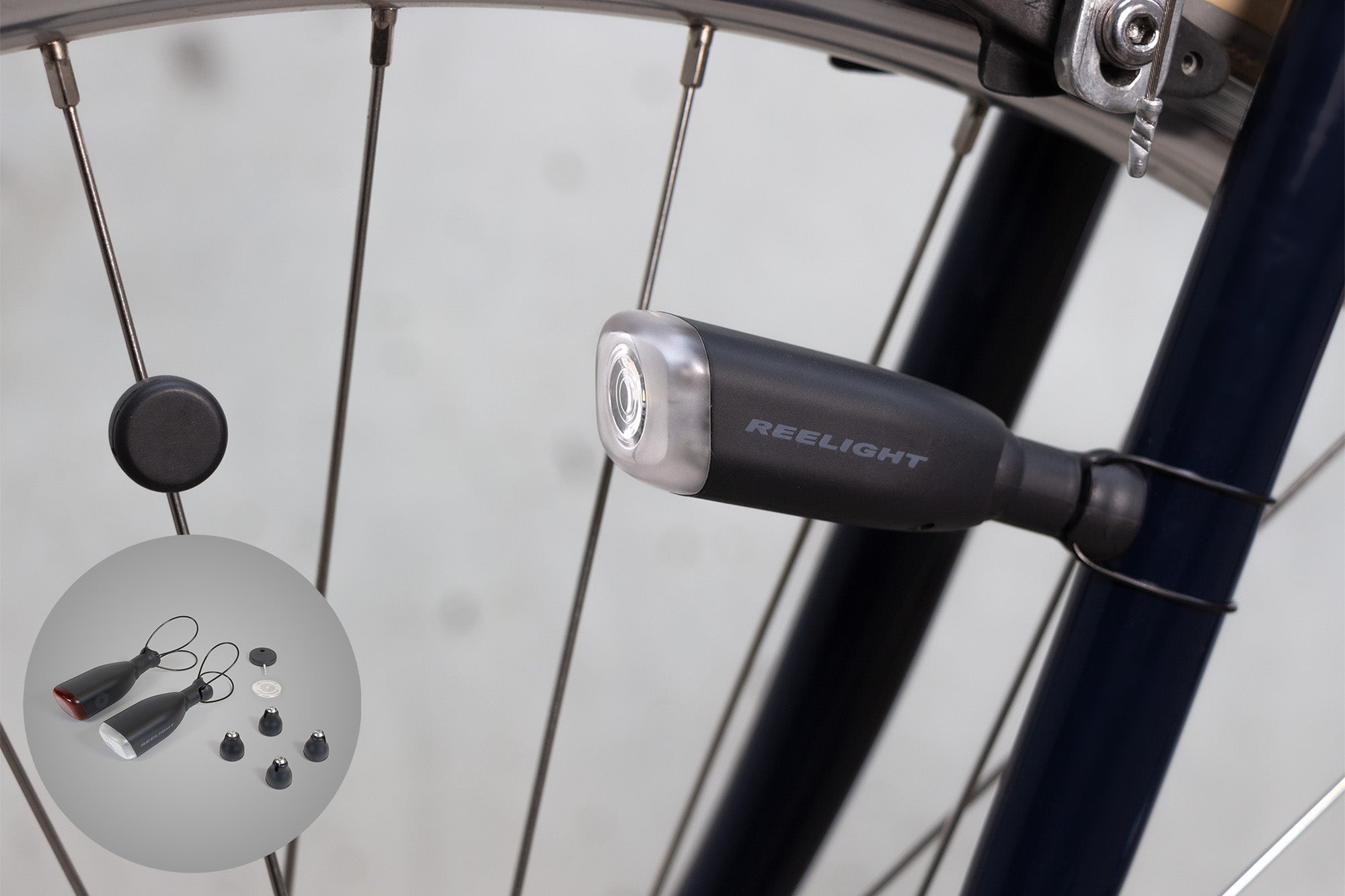
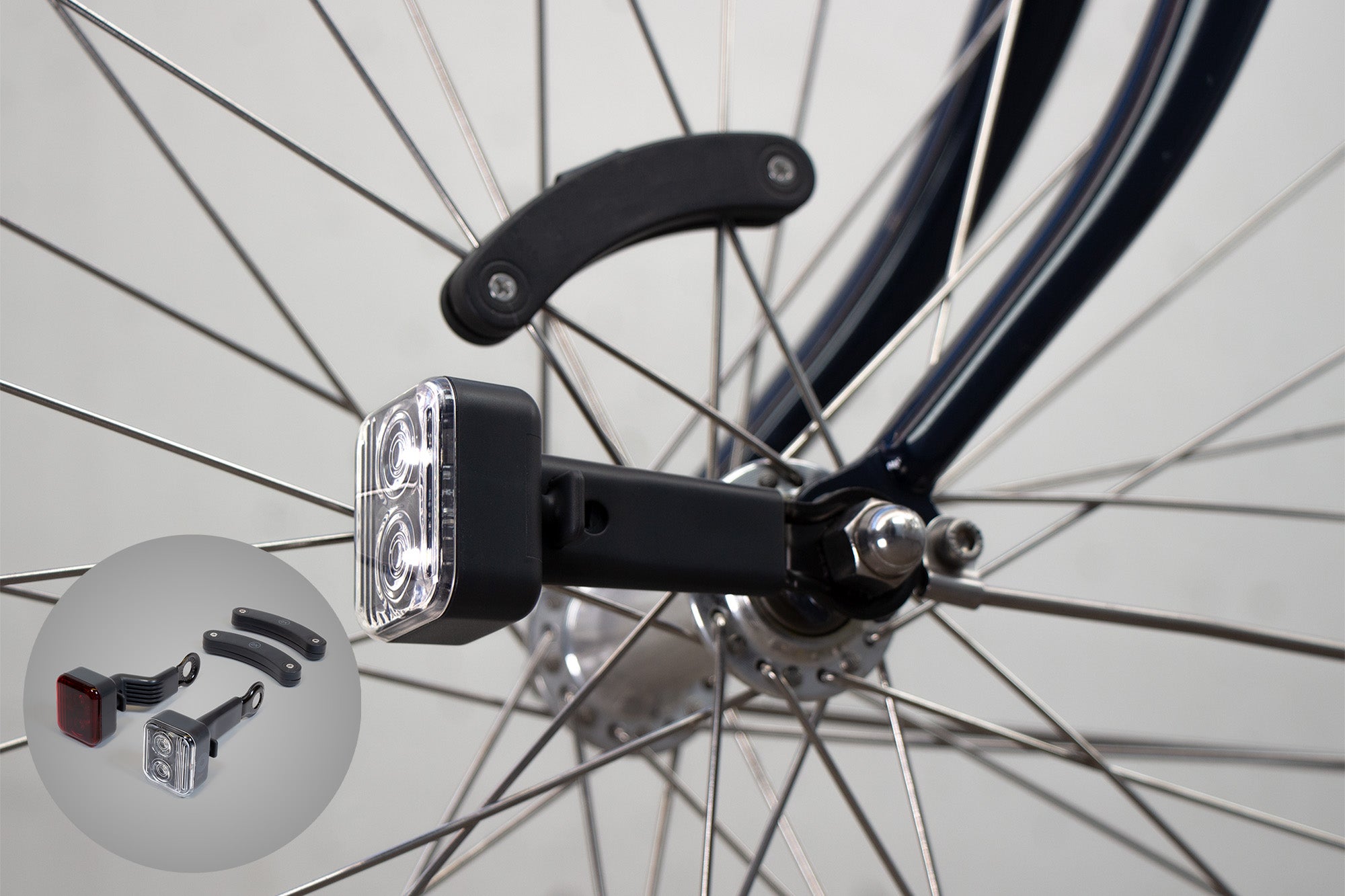
During early morning and late evening walks, when darkness starts to set in, one of the most important things for us is visibility: being able to see others and making sure they can see us.
For some dogs, predictability can be incredibly important, and I think this is something many owners could be better at providing, especially when walking in the dark. Making sure your dog is visible isn't just about safety; it's also about creating a sense of security.
It's much easier for both you and your dog to feel comfortable in the dark when you don't have to constantly scan your surroundings, wondering whether another dog is suddenly going to appear. Good visibility gives you more time to notice what's coming, make decisions, and give your dog the support or distance they need.
So I would encourage owners to think about how visible they are when going on walks. It can make a surprisingly big difference to how safe and predictable the walk feels.
Visibility for dogs is often treated as a "nice to have." From your own experience walking your dogs, how much does being seen actually play into their confidence and safety?
For us, visibility makes a really big difference. As I mentioned earlier, Kato is reactive, and he finds darkness particularly difficult. He becomes much more alert, spends more time scanning his surroundings, and gets stressed more easily.
The same thing happens to me. I naturally pay more attention in the dark, constantly looking around to see if another dog is coming. And of course, that tension and increased alertness can affect my dogs too.
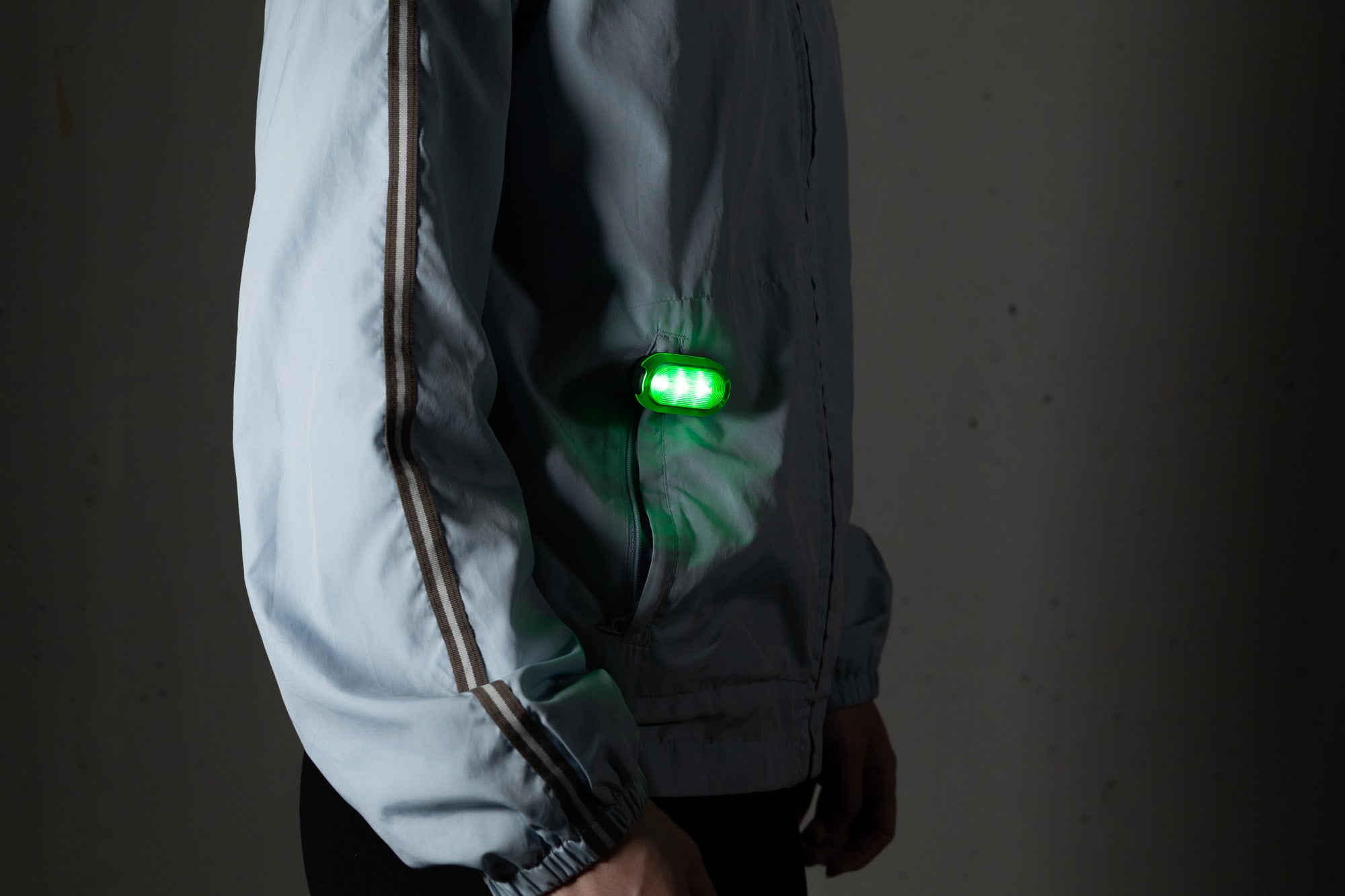
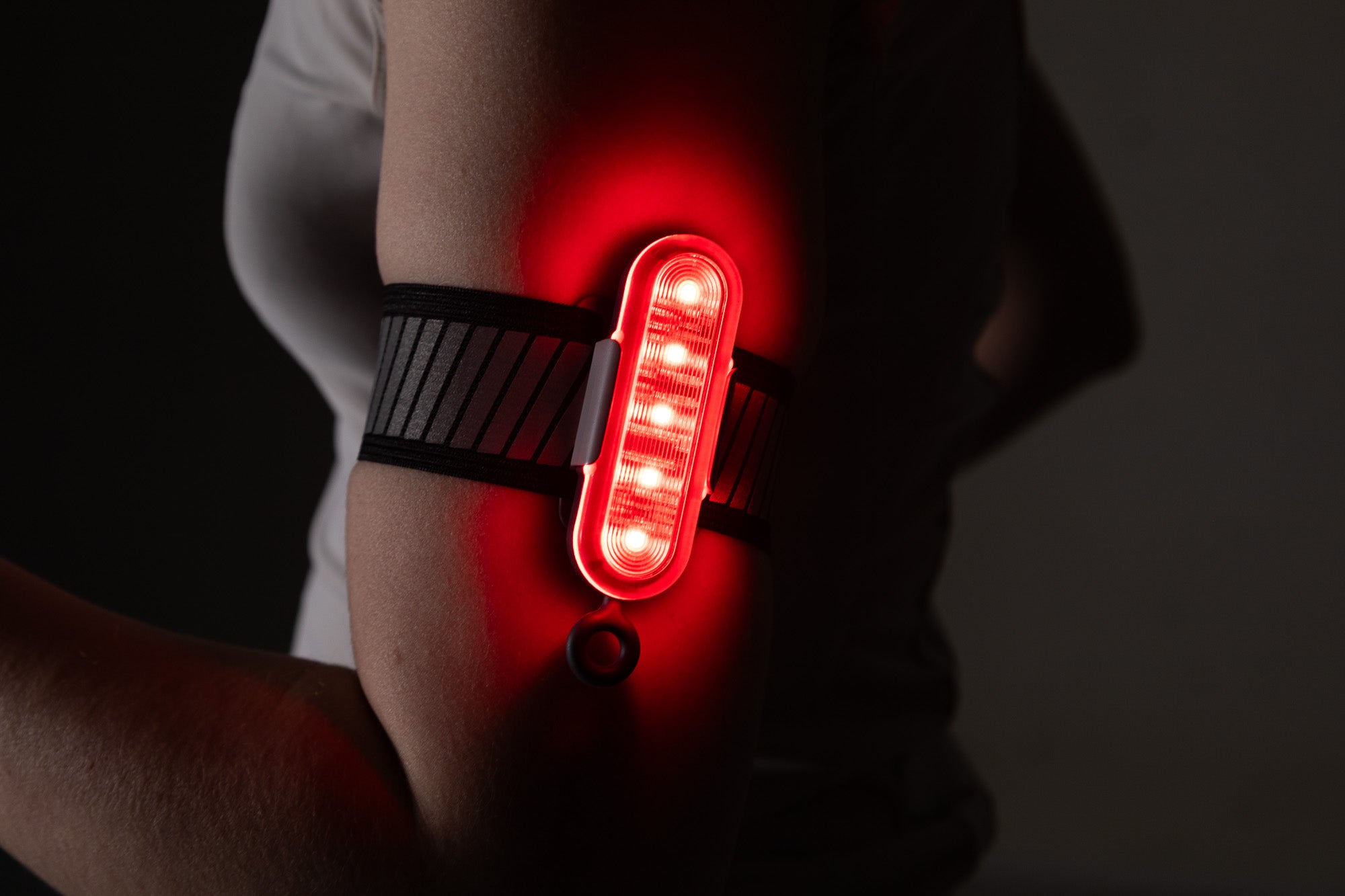
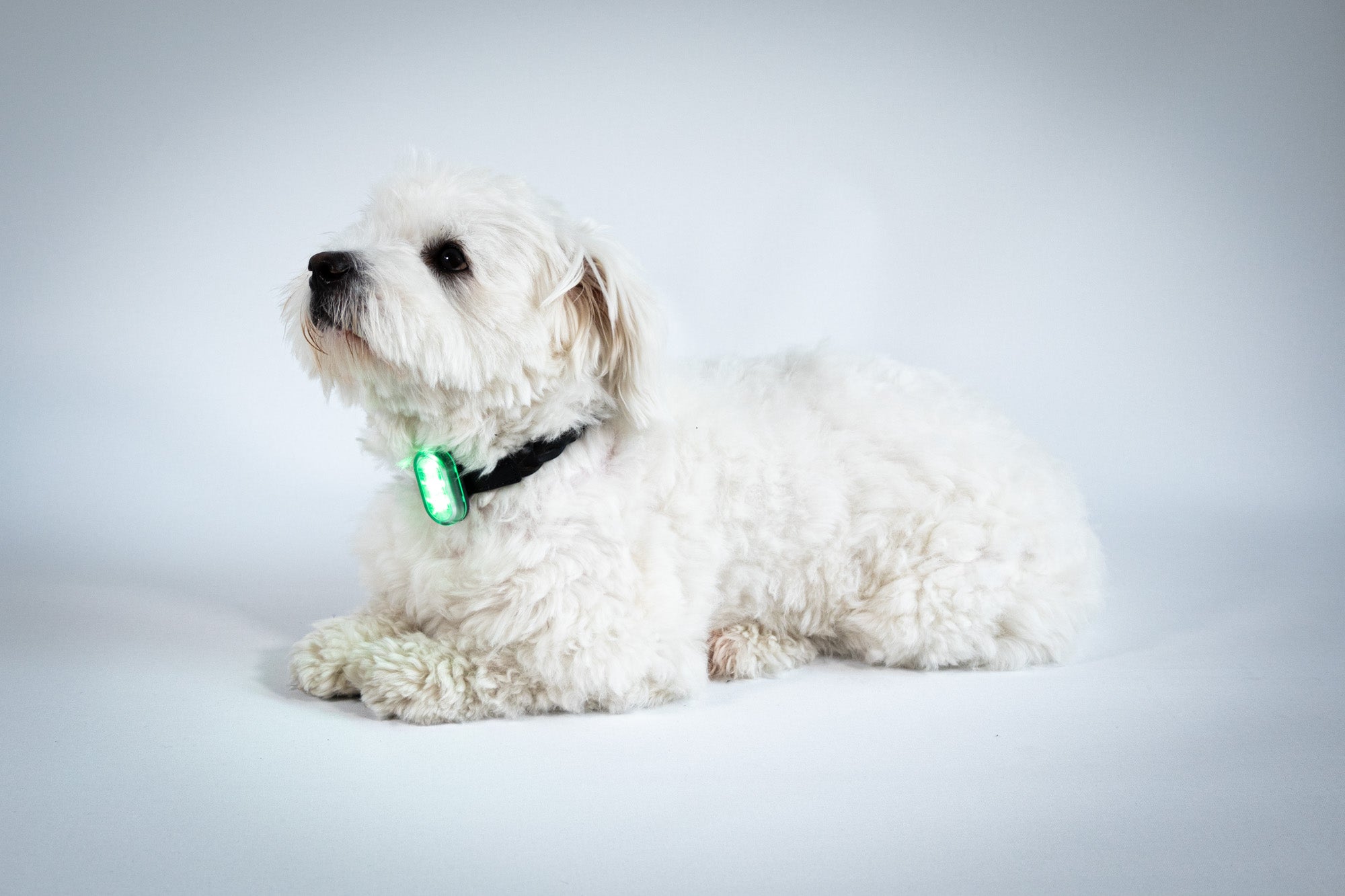
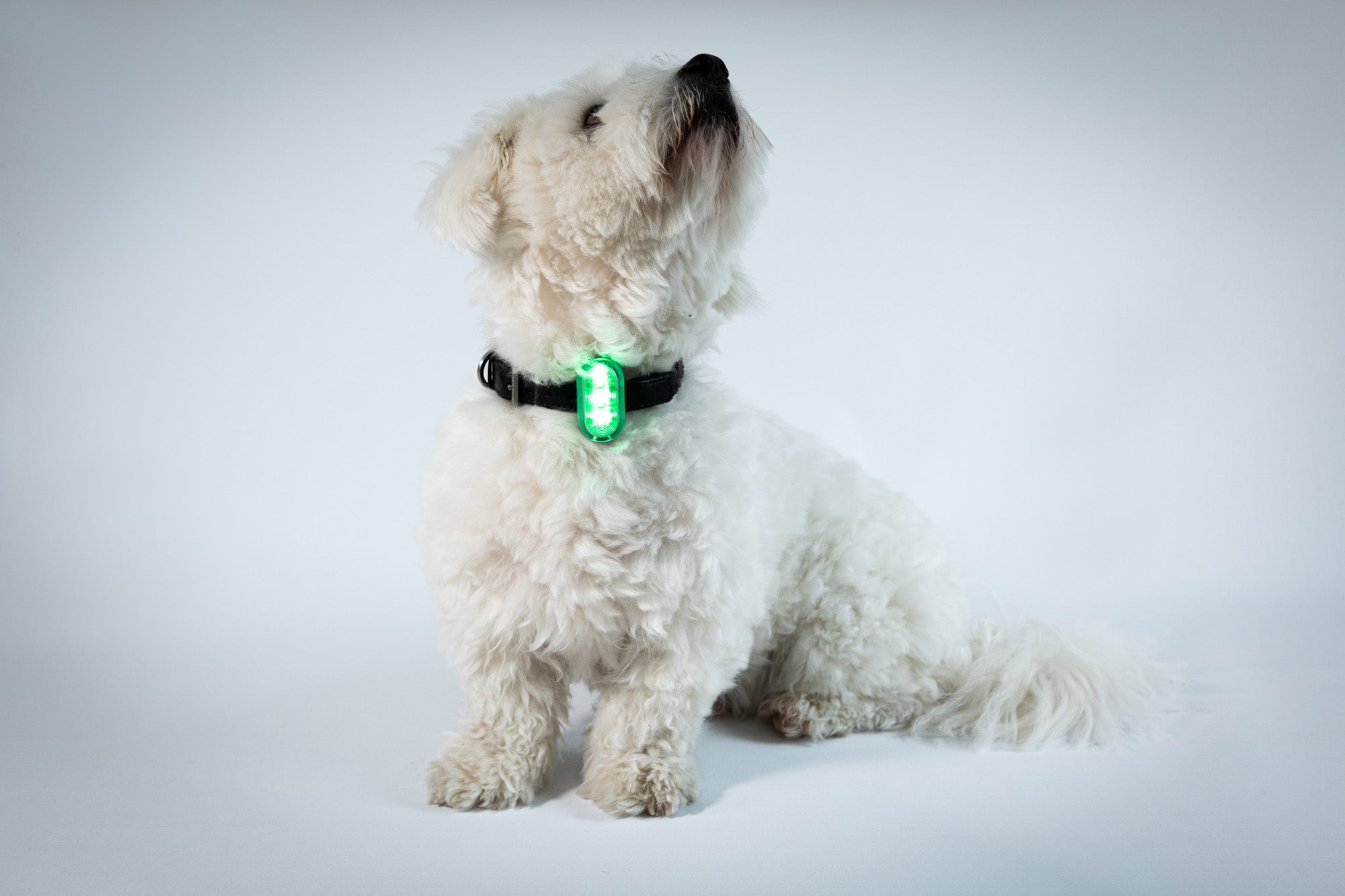
That's why I would really love to see more people giving their dogs some kind of light when walking in the dark. For a dog like Kato, being able to see what's coming makes the world much more predictable. If he knows that he can spot someone approaching, he can stay much more relaxed and actually enjoy a calm walk.
So for me, visibility isn't just about being seen. It's also about giving the dog the information it needs to feel safe and confident in its surroundings.

You do a lot of adventure activities with your own dogs. What does that look like day to day? What are your favourites?
My everyday life with the dogs is primarily about going for walks, running together, and training. I try to include them in as much of my everyday life as possible, and we make an effort to experience as many different places as we can. It's not always possible to go on big adventures after a full day of work, but I try to make the most of the time we have.
We also do mini road trips in our car, which we sleep in, and recently we took the SUP board out for a little adventure. I really enjoy finding different ways to spend time with my dogs and seeing them enjoy it as well.
When we have holidays, we love going on hiking trips, and most of those have been in Norway. We've also done trips where we stay in shelters, so we're definitely big fans of the camping life!
For me, the best adventures don't necessarily have to be big or complicated. It's more about getting out together, experiencing new places, and making the most of the time we have.
What's your rule of thumb for introducing a dog to a totally new activity (hiking, swimming, camping, city travel), without overwhelming them?
My biggest rule of thumb is to take things at the dog's pace. Just because I think a new activity sounds fun doesn't mean my dogs will feel the same way, so I never want to push them into something simply because I think they should enjoy it.
When introducing something new, I try to give them time to take in the surroundings and help them the best I can to feel comfortable. Some dogs are ready to jump straight into a new experience, while others need a little more time and support. And sometimes, they simply decide that a particular activity isn't for them – and that's okay too.
I've always had a dream of being able to exercise my dogs by taking them swimming, so I've brought them to the swimming pool several times. So far, though, neither of them has actually made it into the water. Maybe one day they will, but I don't want to force it just because it's something I had imagined doing with them. For me, it's much more important that they feel comfortable and have a positive experience, even if that means the experience doesn't turn out quite the way I had pictured it.

How do you know when your dog is genuinely enjoying an adventure vs. just tolerating it? What signs do you look for?
With my own dogs, I can usually tell when they're genuinely enjoying an adventure, but I think it's difficult to give a simple list of signs to look for. The signs can vary a lot depending on the dog and on what you're doing.
For me, it really comes down to knowing your dog. You learn what their normal behaviour looks like, and from there you can notice when something changes. A dog that is enjoying itself will look and behave differently from a dog that is simply putting up with a situation.
I also think most dog owners develop a pretty good sense of whether their dog is comfortable with what they're doing.
The more time you spend with your dog, the better you become at reading the small changes in their behaviour and body language. Ultimately, it's about getting to know your dog rather than looking for one universal sign of enjoyment.
If you could give every dog owner heading into autumn one piece of advice, what would it be?
Put a light on your dog and get out there! Autumn can be something really special, and I think it's a wonderful time to explore and have adventures together. The days may be getting shorter, but that doesn't mean the adventures have to stop.

Thank you to Isa for taking the time to share her story with us. If Isa's approach to visibility resonated with you, you can read more about the research behind dog visibility on dark walks, and what actually makes a difference, in our related article: How to Keep Your Dog Visible on Dark Walks.
If you Want to follow her, and her two furry friends, you can follow their adventures on her Instagram at @snartcirkushund